Vintage Magnalite: The Holy Grail of Cast Aluminum Cookware
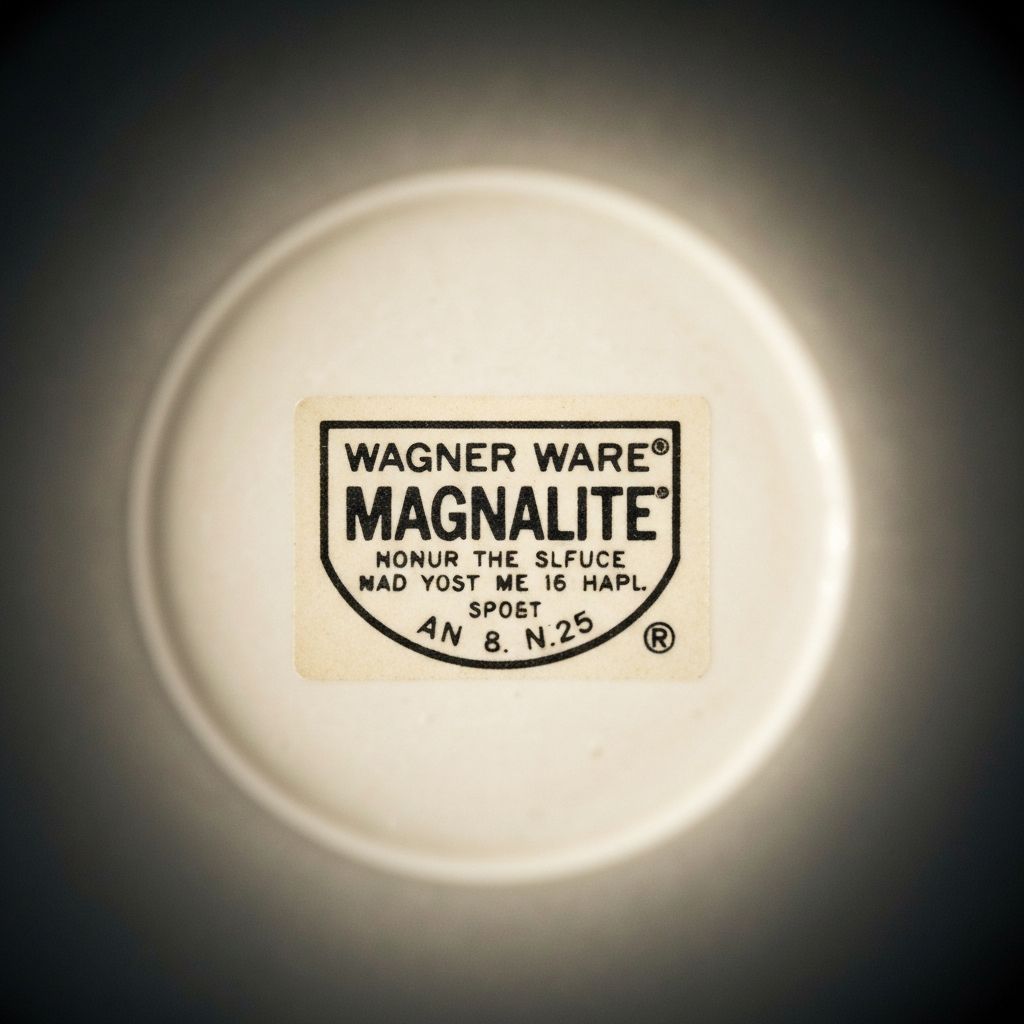
For over 92 years, Magnalite has been the gold standard of American cookware. Today, vintage pieces from the Wagner Ware era (1934-1960s) are highly sought after by collectors and serious cooks who recognize that the old USA-made pieces represent a level of quality rarely matched in modern manufacturing.
Why Vintage Magnalite Commands Premium Prices
Vintage Magnalite isn't just old cookware—it represents a pinnacle of American manufacturing excellence that's nearly impossible to replicate today.
Hand-Poured Quality
Early Wagner Ware pieces were hand-poured in sand molds at the Sidney, Ohio foundry. This labor-intensive process created thicker, more uniform walls than modern mass production.
Pure Alloy Composition
Vintage Magnalite used a proprietary aluminum-magnesium alloy that's no longer commercially available. Modern pieces use different alloy ratios that don't perform quite the same.
Increasing Scarcity
As vintage pieces break, get discarded, or are hoarded by collectors, finding pristine USA-made Magnalite becomes harder each year, driving values upward.
Artisan Details
Vintage pieces often have hand-finished details like smoother casting seams, more precisely machined lids, and better weight distribution than newer production runs.
Vintage Magnalite Value Guide (2026)
Prices vary based on condition, rarity, and whether the piece has its original lid. These are typical market values for pieces in good to excellent condition.
| Era / Marking | Typical Pieces | Value Range | Collector Status |
|---|---|---|---|
Wagner Ware Sidney -O- 1934-1950s | Oval roasters, Dutch ovens, sauce pans with original lids | $80-$300+ Excellent condition | HOLY GRAIL |
Wagner Ware (Post-Sidney) 1950s-1960s | Complete sets, roasters, skillets, specialty pieces | $50-$150 Per piece | HIGHLY SOUGHT |
GHC (General Housewares) 1970s-1990s | Standard cookware, roasters, Dutch ovens | $30-$80 Good condition | COLLECTIBLE |
Modern (American Culinary) 2000s-Present | Current production pieces available retail | $40-$120 New retail price | USER QUALITY |
Chinese Reproductions Various years | McWare, Magnaware, unmarked imports | $10-$30 Secondary market | AVOID |
Value Factors That Matter Most
- Complete with lid: Adds 50-100% to value. Lids often get lost or damaged.
- No pitting or deep scratches: Surface condition is critical for top dollar.
- Clear, readable markings: Sidney -O- stamp must be legible to command premium.
- Rare sizes or specialty pieces: Large oval roasters (10qt+) and unusual items fetch more.
The Most Collectible Vintage Magnalite Pieces
These are the pieces serious collectors hunt for at estate sales, antique shops, and online marketplaces.
10-Quart Oval Roaster
RAREThe large oval roaster with Sidney -O- stamp is the crown jewel. Perfect condition with lid can fetch $200-$350. Often used for holiday turkeys and large gatherings.
Why it's valuable: Large size, heavy construction, increasingly rare to find undamaged
5-Piece Sauce Pan Set
SOUGHTComplete Wagner Ware sauce pan sets (1-5 quarts) with all matching lids are difficult to find intact. Collectors pay premium for matched sets in excellent condition.
Why it's valuable: Rarely kept together, matching lids, display appeal
Double Boiler
SOUGHTVintage Magnalite double boilers are specialty pieces that collectors hunt for. The insert and base must match and fit properly to be valuable.
Why it's valuable: Specialty item, often separated, functional rarity
Dutch Oven (8-12qt)
COMMONLarge round Dutch ovens are the most commonly found vintage Magnalite. Still desirable for cooking, but not rare enough to command top collector prices unless Sidney -O-.
User value: Excellent for cooking, reasonable prices, readily available
Chicken Fryer with Basket
RAREDeep fryer with the original wire basket insert is a unicorn find. The basket alone is nearly impossible to source separately, making complete sets extremely valuable.
Why it's valuable: Basket rarely survives, specialty use, complete set premium
Teakettle
SOUGHTMagnalite teakettles with the original bakelite handle are charming display pieces. Condition of the handle and spout are critical to value.
Why it's valuable: Decorative appeal, vintage handle intact, nostalgia factor
Where to Find Vintage Magnalite Cookware
Hunting for vintage Magnalite requires patience and knowledge. Here's where collectors have the most success finding authentic pieces.
Estate Sales & Auctions
The best source for vintage Magnalite. Look for sales in the Southern US (Louisiana, Mississippi, Alabama) where Magnalite was ubiquitous in home kitchens. Arrive early and bring cash for better negotiation.
Pro tip: Check EstateSales.net and filter by location. Search for "cookware" or "kitchen" in descriptions.
Antique Stores & Flea Markets
Antique dealers often don't know the value of Magnalite, especially if it's tarnished. You can find steals if you're willing to restore pieces. Always inspect for cracks, warping, and pitting before buying.
Pro tip: Negotiate bundles if buying multiple pieces. Dealers prefer moving inventory over holding individual items.
Online Marketplaces (eBay, Facebook Marketplace, Etsy)
eBay has the largest selection but also the most inflated prices. Facebook Marketplace and local classified ads can yield better deals from sellers who don't know what they have. Always request detailed photos of markings and condition.
Pro tip: Set up saved searches with alerts for "Magnalite" "Wagner Ware aluminum" and "vintage cast aluminum cookware."
Thrift Stores (Goodwill, Salvation Army)
The ultimate treasure hunt. Magnalite occasionally appears in thrift stores for $5-$20, priced as generic used cookware. You need luck and persistence, but the payoff can be incredible for patient collectors.
Pro tip: Visit stores in affluent older neighborhoods where estates donate high-quality items.
Restoring Vintage Magnalite to Its Former Glory
Many vintage pieces look dull, grey, or tarnished when you find them. The good news: nearly all cosmetic damage is reversible with the right techniques. You can transform a $10 thrift store find into a $150 showpiece.
Removing Interior Stains
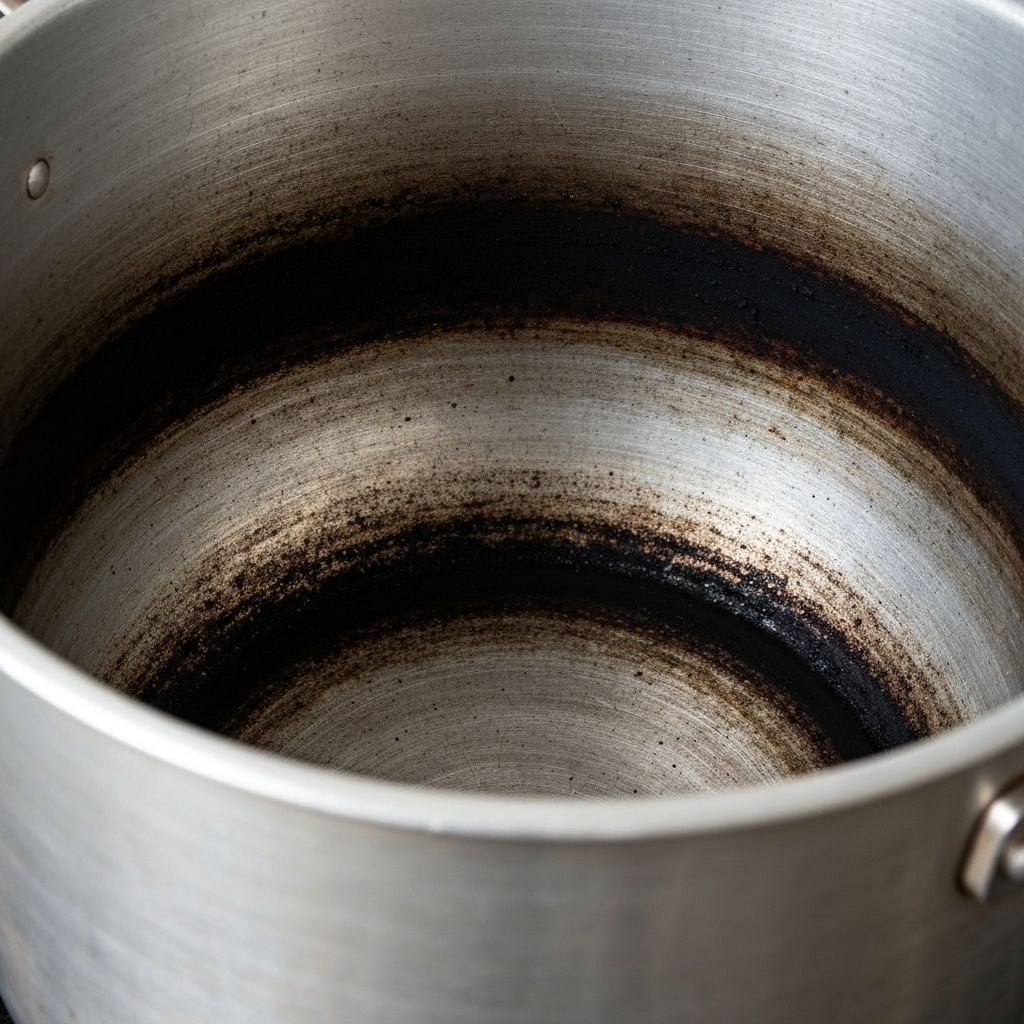
Boil 2 tablespoons cream of tartar + 1 quart water for 15 minutes. The acid removes dark oxidation stains. For stubborn spots, add white vinegar and repeat.
Polishing the Exterior
Use Mothers Mag & Aluminum Polish or Meguiar's Metal Polish with a soft cloth. Work in circular motions until you restore the mirror shine. This is tedious but incredibly satisfying.
Dealing with Pitting
Small surface pitting is cosmetic and doesn't affect cooking. Deep pitting may indicate structural weakness. Avoid pieces with cracks or holes—those can't be safely repaired.
Vintage Magnalite Collector FAQ
How can I tell if my Magnalite is vintage Wagner Ware?
Check the bottom stamp. Wagner Ware pieces say "Wagner Ware" and often include "Sidney -O-" or just "Sidney, Ohio." If it says "GHC" or "Made in China," it's not Wagner Ware. See our identification guide for photo examples.
Is vintage Magnalite safe to cook with?
Yes, if it's in good condition (no cracks, deep pitting, or warping). Aluminum cookware has been used safely for over a century. Modern studies show minimal aluminum leaching, especially with acidic foods. Avoid cooking highly acidic dishes in bare aluminum for extended periods.
Why do some vintage pieces have a rainbow tint?
The rainbow or blue-ish tint comes from heat discoloration on older aluminum. It's cosmetic and doesn't affect performance. You can remove it with metal polish, but some collectors prefer the "patina" as proof of authenticity and age.
What's the difference between Sidney -O- and regular Wagner Ware?
Sidney -O- refers to the earliest Magnalite pieces made at the original Sidney, Ohio foundry (1930s-1950s). These are considered the highest quality and most collectible. Later Wagner Ware is still excellent but slightly less valuable to collectors.
Should I use vintage Magnalite or keep it as a collectible?
If you have a rare Sidney -O- piece in pristine condition, consider displaying it. But most vintage Magnalite was meant to be used, and cooking with it honors the craftsmanship. Just avoid the dishwasher and use proper care techniques.
Where can I sell my vintage Magnalite collection?
eBay reaches the most collectors and typically gets the best prices for rare pieces. Facebook Marketplace and local estate sale companies work well for quick sales. Photograph pieces well, accurately describe condition, and clearly show all markings.
Start Your Vintage Magnalite Collection Today
Whether you're a serious collector hunting for Sidney -O- grails or a home cook who appreciates quality, vintage Magnalite offers unmatched performance and a connection to American culinary heritage.
Browse Vintage Magnalite