Magnalite Care & Restoration Guide
Everything you need to know about cleaning, restoring, and maintaining your cast aluminum Magnalite cookware. Bring your vintage pieces back to their original shine.
This is the #1 mistake that damages Magnalite cookware. Dishwashers are extremely harmful to cast aluminum and will permanently alter your cookware's appearance and performance.
Why Dishwashers Ruin Magnalite:
- Harsh Phosphates: Dishwasher detergents contain aggressive chemicals that react with aluminum, causing dark grey oxidation and pitting.
- High Heat & Pressure: The extreme environment accelerates oxidation and can warp the metal over time.
- Loss of Shine: Your beautiful mirror finish will turn dull, grey, and cloudy—often after just one wash cycle.
- Permanent Damage: While you can restore some shine, dishwasher damage creates microscopic pitting that can never be fully reversed.
Always hand wash your Magnalite cookware with mild dish soap and warm water. It only takes a few minutes and will preserve your investment for generations.
Complete Magnalite Restoration Process
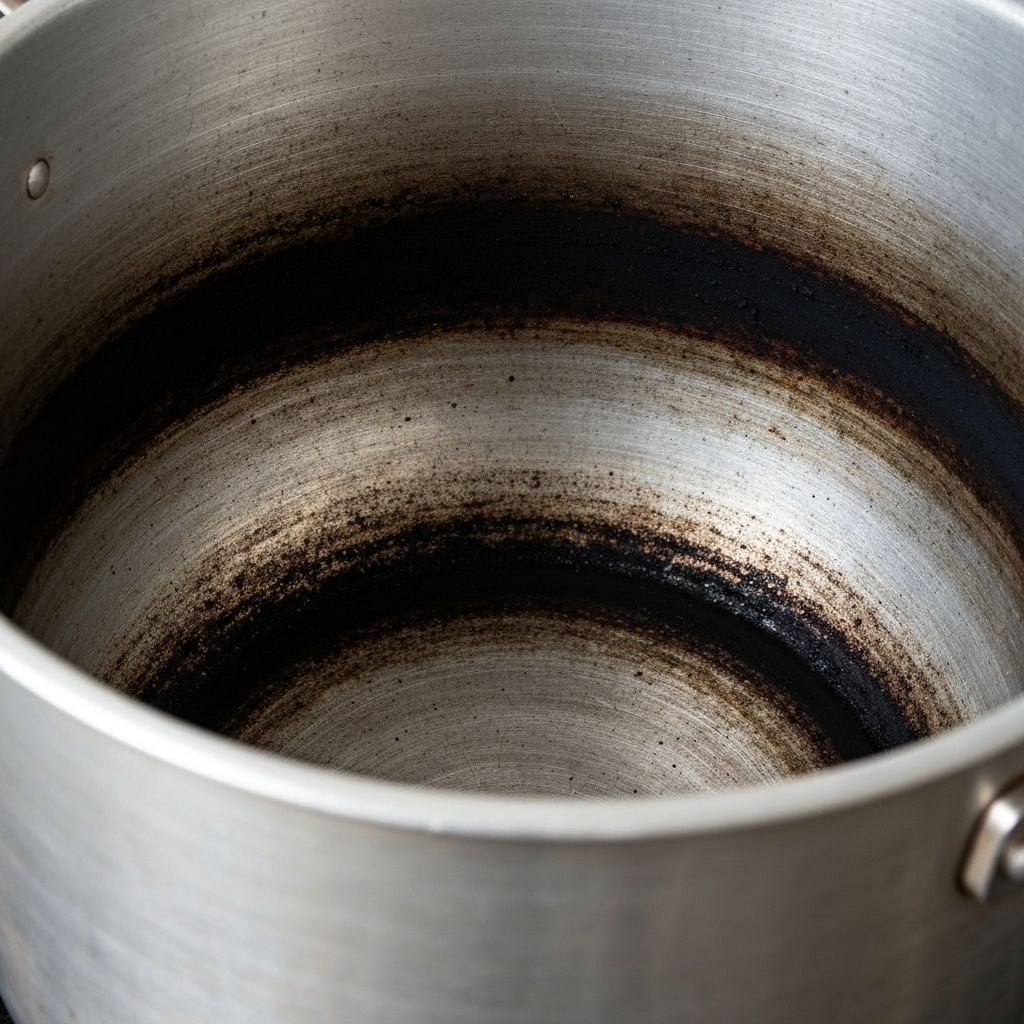
Interior Restoration: Removing Dark Stains
What You'll Need:
- 2-3 tablespoons cream of tartar (available in the baking aisle)
- 1 cup white vinegar
- Water to fill the pot
- Soft sponge or cloth
- Mild dish soap
Step-by-Step Instructions:
Fill the Pot
Fill your Magnalite pot with water until it covers all the stained or discolored areas (usually 2-3 inches from the top).
Add Cleaning Agents
Add 2-3 tablespoons of cream of tartar and 1 cup of white vinegar to the water. Stir gently to dissolve.
Boil the Solution
Bring the mixture to a rolling boil, then reduce heat and let it simmer for 10-15 minutes. You'll see the dark stains lifting off into the water.
Cool and Rinse
Remove from heat and let the pot cool completely (30-45 minutes). Pour out the solution—the water will be dark with dissolved oxidation.
Wash and Dry
Wash the pot with mild dish soap and warm water using a soft sponge. Rinse thoroughly and dry immediately with a clean towel to prevent water spots.
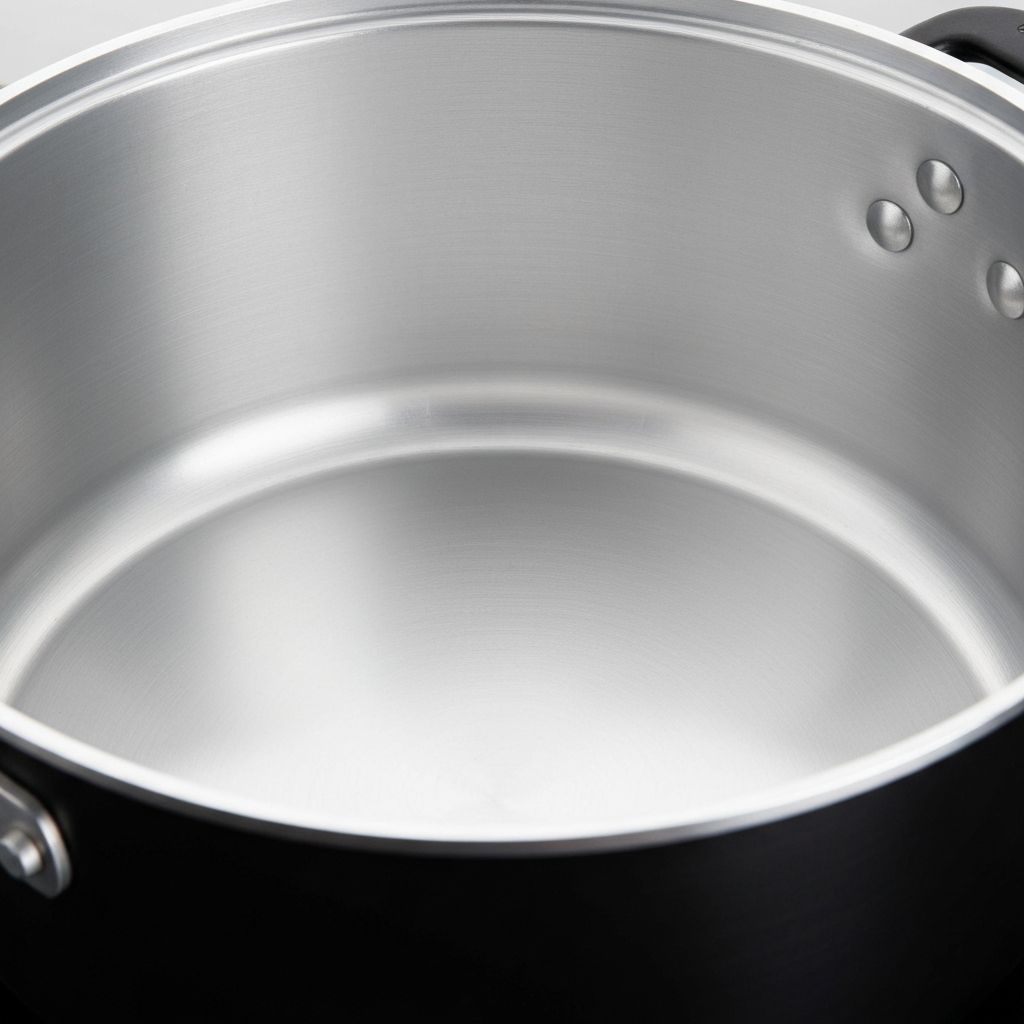
Pro Tip: For extremely stubborn stains, you may need to repeat this process 2-3 times. Each treatment will progressively lighten the interior. Be patient—some vintage pieces may have decades of buildup!
Exterior Restoration: Polishing to Mirror Finish
Recommended Products:
- Mothers Mag & Aluminum Polish - The gold standard for Magnalite restoration
- Meguiar's Hot Rims Aluminum Polish - Automotive-grade, works excellently
- Bar Keeper's Friend - Good for light oxidation (powder or liquid)
- Flitz Metal Polish - Professional-grade option
What You'll Need:
- Metal polish (see recommended products above)
- Microfiber cloths or soft cotton rags (at least 3-4)
- Rubber gloves (polish can be messy)
- Newspaper or drop cloth to protect your work surface
- Optional: Electric buffer for large pieces or severe oxidation
Step-by-Step Polishing Instructions:
Clean First
Wash the exterior with dish soap and water to remove any grease or food residue. Dry completely.
Apply Polish
Put on gloves. Apply a small amount of polish (about quarter-sized) to a clean microfiber cloth. Start with small sections (4x4 inches).
Rub in Circular Motions
Using firm pressure, rub the polish into the aluminum in small circular motions. You'll see the cloth turn black—that's the oxidation coming off. Continue until the polish starts to dry (2-3 minutes per section).
Buff to Shine
Using a clean, dry microfiber cloth, buff the area vigorously until you achieve a mirror-like shine. Change cloths frequently as they become dirty.
Repeat Section by Section
Work around the entire pot, one section at a time. For lids, pay special attention to the knob and rim areas. Large roasters may take 30-45 minutes to complete.
Final Wash
Once polishing is complete, wash the exterior one more time with dish soap to remove any remaining polish residue. Dry immediately and thoroughly.
Important: Polishing is a workout! Your arms will get tired, but the results are worth it. Take breaks as needed. For severe oxidation, you may need to apply polish 2-3 times to achieve a perfect mirror finish.
Time-Saving Tip: If you have an electric buffer or drill with a buffing pad attachment, this can reduce polishing time by 50-70%. Use medium pressure and keep the buffer moving to avoid creating heat spots.
Seasoning Your Magnalite Cookware
When to Season:
- Vintage Pieces: Older Magnalite (pre-1970s) has a more porous interior that benefits from seasoning
- After Deep Cleaning: When you've just completed a restoration with cream of tartar
- Food Sticking: If you notice food beginning to stick more than usual
How to Season Magnalite:
Clean and Dry Thoroughly
Ensure the pot is completely clean and bone dry before seasoning.
Apply Thin Oil Layer
Pour about 1 tablespoon of vegetable oil, canola oil, or flaxseed oil into the pot. Use a paper towel to spread a very thin, even layer across the entire interior surface.
Heat Gently
Place the pot on medium-low heat for 5-10 minutes until the oil begins to smoke slightly. This allows the oil to bond with the aluminum's porous surface.
Cool and Wipe
Remove from heat and let cool completely. Wipe out any excess oil with a clean paper towel. The interior should feel slightly slick but not greasy.
Note: Modern Magnalite pieces (1980s+) often have a smoother, less porous interior and may not need seasoning. However, it won't hurt if you choose to season them. The seasoning layer on aluminum is much lighter than cast iron and may need to be refreshed every few months with regular use.
Daily Care & Maintenance
- Hand wash with mild dish soap and warm water
- Dry immediately after washing to prevent water spots
- Use wooden, silicone, or nylon utensils
- Store in a dry place with lids slightly ajar for air circulation
- Use medium to medium-high heat (aluminum conducts heat excellently)
- Polish the exterior 2-3 times per year to maintain shine
- Never use a dishwasher (causes severe oxidation)
- Avoid abrasive scrubbers like steel wool on the interior
- Don't use high heat (can cause warping and hot spots)
- Avoid cooking highly acidic foods for extended periods (tomatoes, citrus)
- Don't let food sit in the pot for extended periods after cooking
- Never store food in the refrigerator in your Magnalite
Frequently Asked Questions
Unfortunately, pitting (small holes or craters in the metal) is permanent damage that cannot be reversed. Pitting occurs when aluminum is exposed to harsh chemicals (like dishwasher detergent), salt corrosion, or severe oxidation over many years.
What you CAN do: While you cannot remove the pits themselves, you can still restore the shine around them using metal polish. The pot will be less aesthetically perfect, but it's still 100% safe and functional for cooking.
Prevention: Always hand wash, avoid harsh chemicals, and don't let salt sit directly on the aluminum surface. Proper care prevents pitting from occurring in the first place.
The grey discoloration is aluminum oxide—a natural reaction when aluminum is exposed to oxygen and moisture, especially in the presence of alkaline substances (like dishwasher detergent or certain cleaning products).
Common causes:
- Dishwasher use (the #1 culprit)
- Harsh cleaning chemicals
- Hard water with high mineral content
- Letting the pot air dry instead of towel drying
The fix: Follow the restoration methods above—cream of tartar for the interior, metal polish for the exterior. Then commit to hand washing only!
The restoration process removes oxidation and buildup but doesn't damage the aluminum itself. In fact, cleaning makes your cookware safer and more hygienic.
Magnalite cookware has been used safely for nearly a century. Modern research has debunked outdated concerns about aluminum cookware. The cream of tartar and vinegar method is a gentle, food-safe cleaning process, and metal polish (when properly washed off) leaves no harmful residue.
For regular use: Polish the exterior 2-3 times per year to maintain the mirror shine. If you use your Magnalite daily, you may want to polish quarterly.
For display pieces: Once or twice per year is sufficient, as they won't develop the same level of oxidation from cooking.
Interior cleaning: Use the cream of tartar method only when you notice dark stains or discoloration—typically once every 1-2 years with proper care, or as needed after any mishaps.
Interior: No, avoid steel wool and abrasive scrubbers on the interior cooking surface. They'll create scratches that trap food and make sticking worse. Use only soft sponges or cloths.
Exterior: For extremely stubborn oxidation spots, you can use very fine steel wool (0000 grade) with metal polish, but work gently. Coarse steel wool will create visible scratches.
Best practice: Stick with microfiber cloths and proper cleaning solutions—they're safer and more effective than abrasive scrubbers.
If the cream of tartar method doesn't remove all the dark spots after 2-3 treatments, you likely have deep pitting or permanent staining from years of use.
Good news: These spots are purely cosmetic and don't affect cooking performance or safety. Many collectors embrace these "character marks" as proof of the pot's authentic vintage status and well-loved history.
What you can do: Focus on getting the rest of the pot as clean as possible. The contrast will make the stubborn spots less noticeable, and your Magnalite will still look dramatically better than before restoration.
Start Your Magnalite Restoration Journey
With proper care, your Magnalite cookware will serve your family for generations. Start restoring your pieces today or explore our collection to add to your kitchen.